
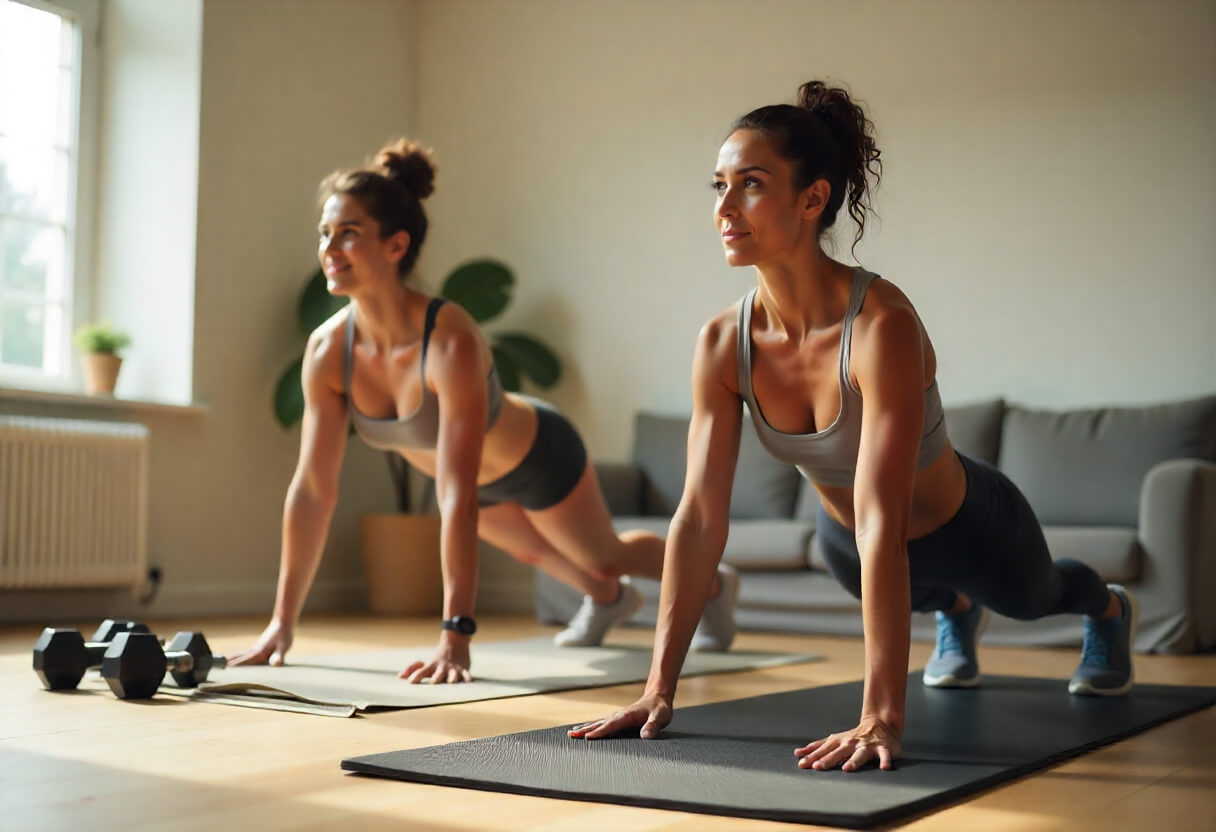
Starting a fitness journey can feel overwhelming, especially if you are new to exercise or returning after a long break. Many people believe workouts must be intense, time-consuming, or done in a gym to be effective. The truth is, beginner-friendly fitness workouts can be simple, enjoyable, and extremely effective when done consistently.
This guide will help you understand how to start exercising the right way, choose beginner workouts, and build a sustainable fitness routine that fits into your daily life.
Why Fitness Matters for Beginners
Regular physical activity improves overall health, boosts energy levels, strengthens muscles, and supports mental well-being. Even light workouts can help reduce stress, improve sleep, and enhance focus. For beginners, the goal is not perfection or extreme results but building a healthy habit that lasts.
Fitness also helps prevent lifestyle diseases such as obesity, diabetes, heart problems, and joint issues. When you move your body regularly, you invest in long-term health and confidence.
How Often Should Beginners Work Out?
For beginners, 3 to 5 days per week is ideal. Each session can be 20 to 40 minutes, depending on your comfort level. Rest days are just as important as workout days because they allow your muscles to recover and grow stronger.
Consistency matters more than intensity. It is better to do short workouts regularly than push too hard and quit after a few days.
Best Beginner-Friendly Workouts
You do not need expensive equipment or a gym membership to get started. The following workouts are safe, effective, and suitable for beginners.
Bodyweight Exercises
Bodyweight workouts use your own weight as resistance. They are perfect for building strength and improving balance.
Examples include:
-
Squats
-
Wall push-ups or knee push-ups
-
Lunges
-
Glute bridges
-
Planks
Start with 2–3 sets of 8–12 repetitions and gradually increase as your strength improves.
Walking and Light Cardio
Walking is one of the most underrated exercises. It improves heart health, burns calories, and is gentle on joints.
Other beginner cardio options include:
-
Brisk walking
-
Cycling
-
Low-impact aerobics
-
Dancing
Aim for 20–30 minutes of light cardio per session.
Stretching and Mobility Work
Stretching keeps your muscles flexible and reduces injury risk. Beginners should always warm up before workouts and stretch afterward.
Simple stretches include:
-
Hamstring stretch
-
Shoulder rolls
-
Neck stretches
-
Hip openers
Creating a Simple Beginner Workout Plan
Here is a sample weekly plan for beginners:
-
Day 1: Full body workout (bodyweight exercises)
-
Day 2: Walking or light cardio
-
Day 3: Rest or stretching
-
Day 4: Full body workout
-
Day 5: Cardio + core exercises
-
Day 6 & 7: Rest or active recovery
This structure helps your body adapt without burnout.
Common Beginner Mistakes to Avoid
Many beginners quit because they make avoidable mistakes. Some of the most common ones include:
-
Trying to do advanced workouts too early
-
Skipping warm-ups and cool-downs
-
Exercising without proper form
-
Comparing yourself to others
-
Expecting fast results
Fitness is a journey, not a race. Progress comes with patience.
Staying Motivated and Consistent
Motivation can come and go, but habits keep you moving forward. Set realistic goals like exercising three times a week or walking daily. Track your progress with photos, notes, or a fitness app.
Wearing comfortable workout clothes, listening to music, or exercising with a friend can also make workouts more enjoyable.
Celebrate small wins. Feeling stronger, sleeping better, or having more energy are all signs of success.
Final Thoughts
Fitness for beginners does not require extreme effort or perfection. With simple workouts, realistic goals, and consistency, anyone can build a healthier and stronger body. Start small, stay patient, and focus on progress rather than perfection.
Your fitness journey begins with one simple step—moving your body today.